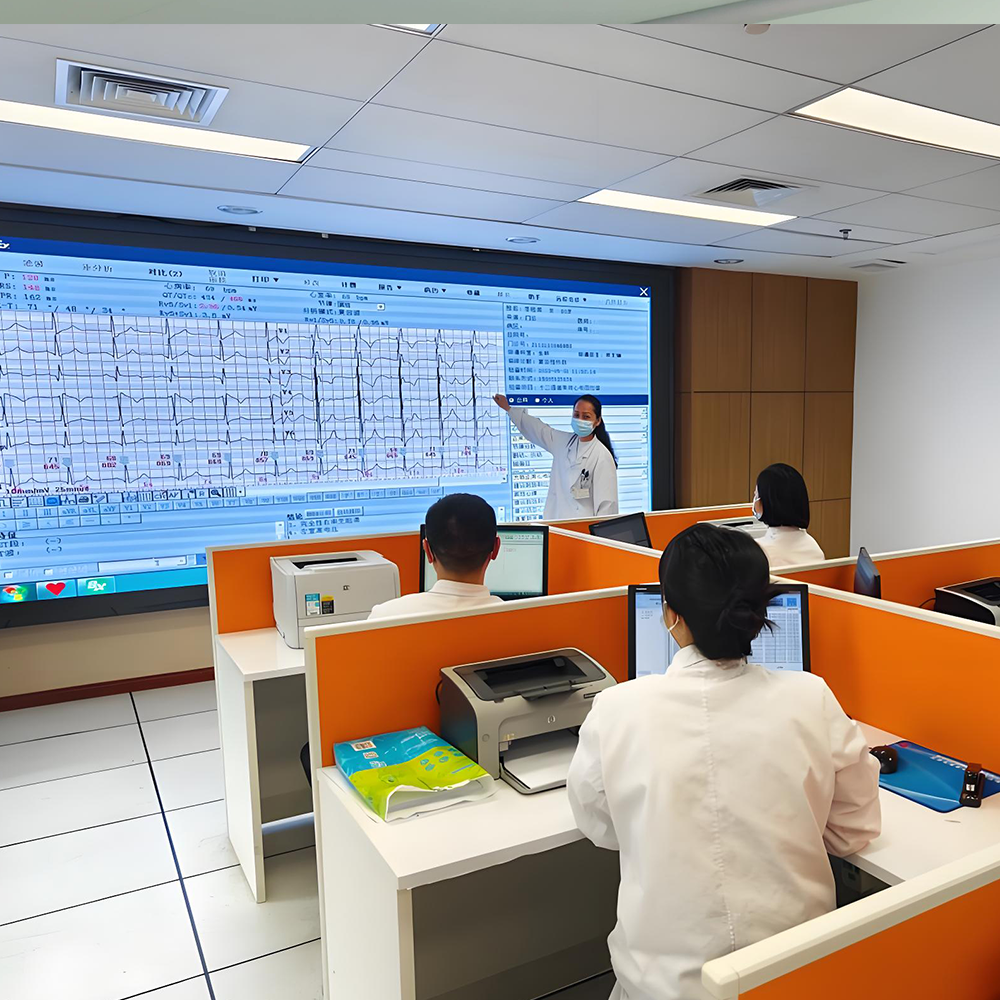
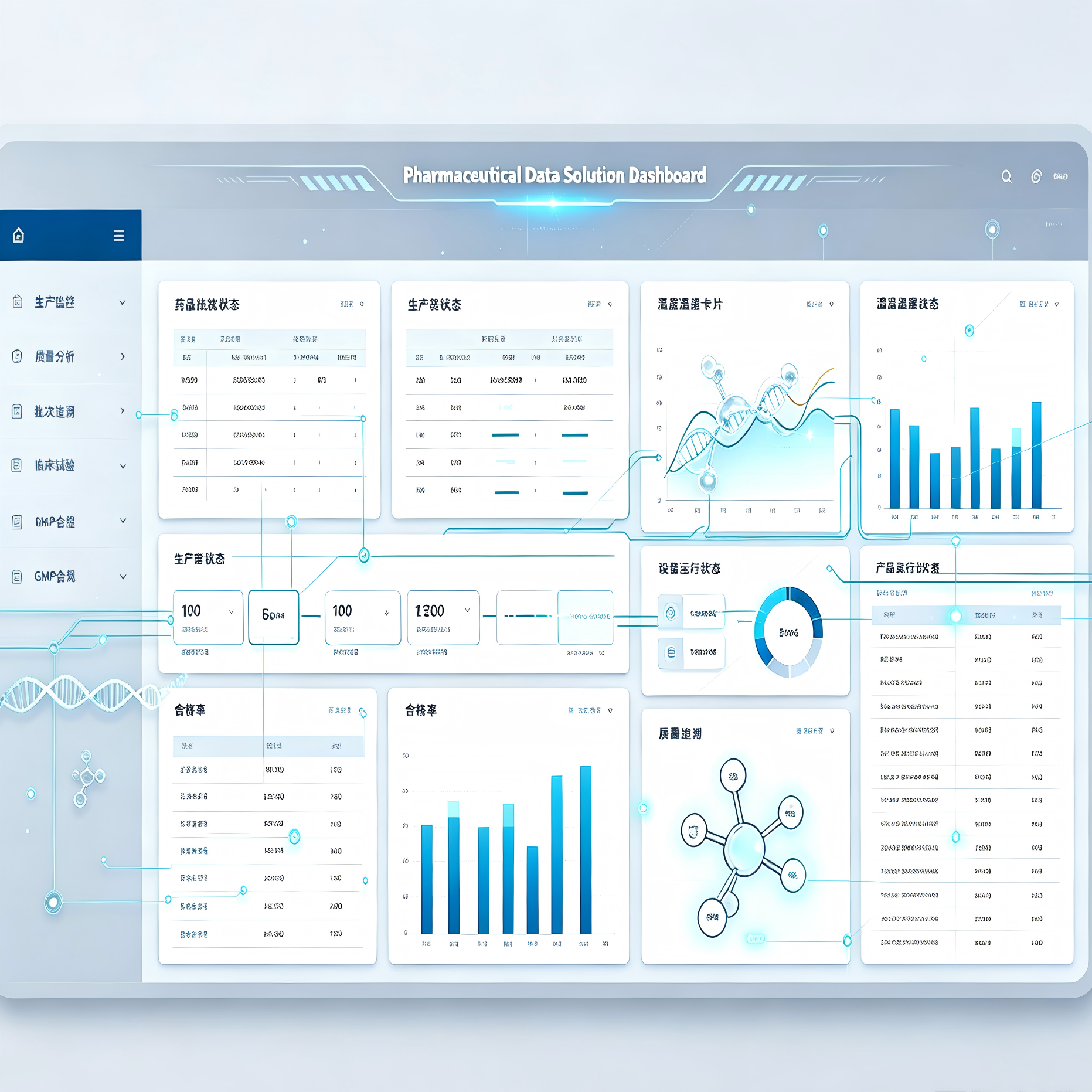
(1) Construction of medical data platform
Data aggregation and standardization: Integrate multiple system data sources such as HIS, EMR, LIS, PACS, etc., and use ETL tools to achieve unified collection of structured, semi-structured, and unstructured data; Based on national medical data standards such as CDA and HL7 FHIR, complete data cleaning, mapping, and standardization to eliminate differences in data formats.
Data Storage and Governance: Build a distributed data warehouse and data lake to achieve hierarchical storage of hot and cold data; Establish a data quality management system, monitor data integrity, accuracy, and consistency in real-time through a rule engine, generate data quality reports, and implement closed-loop rectification; Build a unified data dictionary and metadata management platform to achieve full traceability of data throughout the entire chain.
(2) Intelligent data application scenarios
Clinical Decision Support System (CDSS): Based on standardized medical record data, combined with medical knowledge graph and machine learning algorithms, it realizes intelligent disease warning, auxiliary diagnosis, treatment plan recommendation and other functions. For example, for patients with cardiovascular disease, personalized medication recommendations are pushed in real time by analyzing medical history and examination data.
Hospital operation management analysis: Based on the three dimensions of medical quality, operational efficiency, and cost control, a multidimensional analysis model is constructed to generate visual reports such as outpatient volume trends, bed utilization rates, and consumables cost ratios, providing decision-making basis for hospital management. For example, by analyzing departmental revenue structure and optimizing resource allocation.
Research data support platform: integrating clinical data, research data, and literature data, building a research data warehouse, supporting researchers to quickly screen case queues and conduct retrospective studies; Provide data anonymization and compliance approval tools to accelerate the transformation of scientific research results while meeting privacy protection requirements.
(3) Data Security and Compliance Assurance
Full link security protection: using technologies such as data anonymization, encrypted transmission, and access control to cover the entire process of data collection, storage, use, and sharing; Build a data security situational awareness platform, monitor abnormal data access behavior in real time, and promptly warn and handle security risks.
Compliance system construction: Establish a data compliance management system in accordance with regulations such as the Personal Information Protection Law and the Network Security Management Measures for Medical and Health Institutions, including data classification, user permission management, and audit log retention; Assist medical institutions in completing Level 3 evaluations for Equal Protection 2.0 and HIPAA compliance assessments.